
Best art galleries in California: find options near you
California’s creative landscape is home to some of the most influential and thought-provoking spaces dedicated to visual expression. These venues serve as gateways to innovation, where artists and enthusiasts converge to explore diverse mediums, from classical masterpieces to cutting-edge contemporary works. Their curated collections and immersive environments reflect the state’s rich cultural heritage and its role as a hub for artistic experimentation.
The finest establishments showcasing art across the Golden State often blend historic significance with modern relevance, drawing both locals and visitors into their world. Whether nestled in urban centers or tucked away in scenic locales, these spaces prioritize quality, authenticity, and the power of artistic storytelling. Their reputations are built on a commitment to fostering dialogue, preserving creativity, and offering unforgettable encounters with the visual arts.
Discover 10 outstanding options for art galleries in California
Here are 10 outstanding options for art galleries in California based on value for money:
1. The Broad
Tuesday: 11 AM – 5 PM
Wednesday: 11 AM – 5 PM
Thursday: 11 AM – 8 PM
Friday: 11 AM – 5 PM
Saturday: 10 AM – 6 PM
Sunday: 10 AM – 6 PM
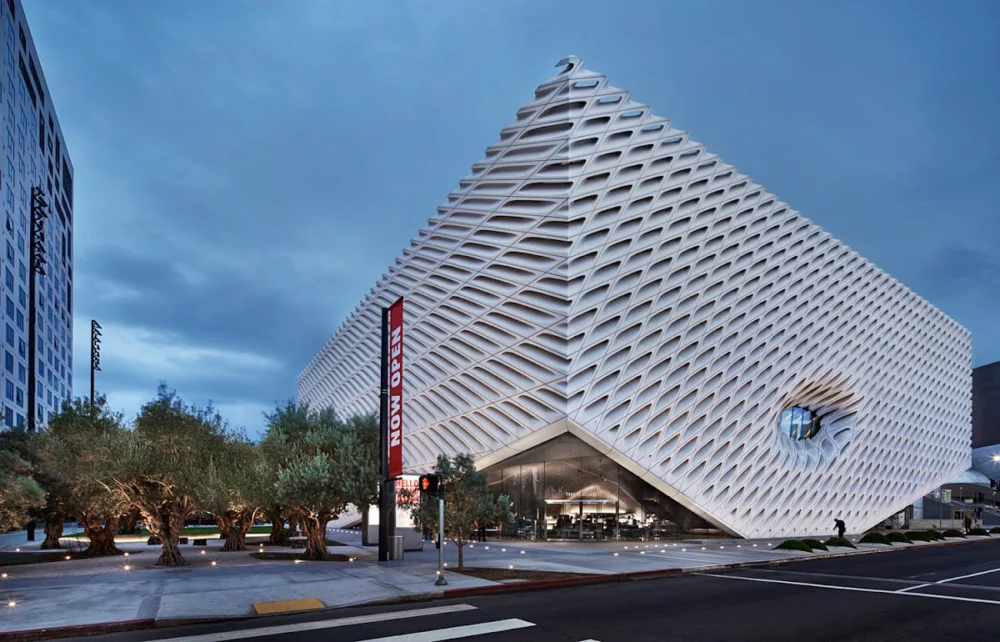
The Broad in Los Angeles is a standout contemporary art museum, renowned for its free general admission and exceptional collection of modern masterpieces. Featuring works by iconic artists like Warhol and Basquiat, the museum offers a thoughtfully curated experience in a striking architectural setting. Visitors can explore diverse exhibits, from striking installations to immersive galleries, all while enjoying seamless access with advance online ticketing.
With a welcoming atmosphere and knowledgeable staff, The Broad ensures an engaging visit for both locals and tourists. While parking costs apply, the museum’s high-quality exhibits and photography-friendly spaces make it a must-see destination. Whether admiring bold sculptures or discovering hidden gems, the experience is both enriching and unforgettable.

If you find yourself in Los Angeles, you absolutely must go—without a doubt! First of all, as soon as you plan your trip, I highly recommend getting free general admission tickets from their website. Why? Because without a ticket in advance, you’re likely to face long lines, especially on weekends. Where do I even begin? Every section is legendary! Honestly, stop reading this, grab your ticket, head over there, and enjoy the art. Highly recommended! Oh, and of course, you know you aren't supposed to touch the artworks, right? If you do try to touch them, the staff in the room will politely warn you. You’ll also find plenty of great spots for taking photos.

Parking cost $19. I can’t believe I have never been here living in LA. This is a really cool art museum. I loved the table and chair set up because as a tall person I have never felt short! The art is interesting. They have multiple different types throughout the museum. Michael Jackson sculpture, the blue, balloon, dog sculpture, the notes to your mom room, the writing in blue room, All very cool. Some of the stuff in here though I just did not want to see….

Great experience at the museum. I had not looked up the museum, but of course was familiar with the name so I did not have any expectations of the art. As I was walking in the museum, I noticed work that looked to be Basquiat and was pleasantly surprised that I was correct. I also love the work from Warhol and was appreciative to see it in person. Overall, it was a great experience and provided great photo ops. I also appreciate the fact that it was free and easy to get into. We had to get tickets, although it was free entry however this process was seamless. I would recommend getting them ahead of time, however, because sometimes sell out.

Visiting The Broad was an absolutely incredible experience from start to finish! This contemporary art museum features a stunning collection of breathtaking, world-class modern masterpieces that will completely captivate any art lover. The architectural design of the building itself is a spectacular work of art, setting the perfect tone before you even step through the doors. The absolute best part about visiting this museum is that general admission is completely free! It is such a wonderful gift to the community and makes accessing amazing cultural experiences available to everyone. However, because it is incredibly popular, you absolutely must book your tickets online well ahead of time. General admission tickets open up monthly, and they tend to disappear very quickly, so planning your visit in advance is essential to secure your preferred date and time slot. Once inside, everything is beautifully curated, spacious, and easy to navigate. The staff members are welcoming, highly knowledgeable, and always ready to help guide you through the galleries. Whether you are a local resident or a tourist exploring the city, this museum is a must-visit destination. It is an absolute 5-star

The Broad Museum in Downtown Los Angeles is a must-visit attraction. This architectural marvel of a museum offers free admission, but you must book your tickets online in advance to choose your preferred time slot. They also have a special exhibition that incurs a small fee. The museum features an impressive collection of contemporary art, featuring renowned artists like Warhol, Murakami, and Basquiat. Their bookstore is a treasure trove of vibrant and delightful gifts for yourself and your loved ones. It’s an excellent place to spend hours exploring and admiring the art. Another exciting aspect is the nearby Walt Disney Museum, which resembles the Getty Museum. It’s a fascinating sight to behold as you leave the Broad Museum.

Honestly, this was a really good! It was fun looking at so much great art. free admission, parking is $19 for 3 hours, it’s really a great museum to have very underrated in today’s economy. my favorite was the Takashi Murakami exhibit truly just breathtaking art. They have truly something for everybody. I would honestly recommend this if you wanna go for a date night, a field trip, a day out anything! Would recommend!

A wonderful museum with different special exhibitions. I just saw the Yoko Ono exhibition (til Nov 2026). The main museum is free but special exhibitions require a paid timed ticket. Validated parking ($19) with museum ticket. No cafe on site but you can leave and return if you let security you are returning. Mostly modern, pop and art installations by well known artists. However, there are some wonderful art pieces by lesser known (to me) artists that are wonderful. Well worth a visit. And the architecture of the museum itself is also stunning, both inside and out.
2. Crocker Art Museum
Tuesday: Closed
Wednesday: 10 AM – 5 PM
Thursday: 10 AM – 9 PM
Friday: 10 AM – 5 PM
Saturday: 10 AM – 5 PM
Sunday: 10 AM – 5 PM
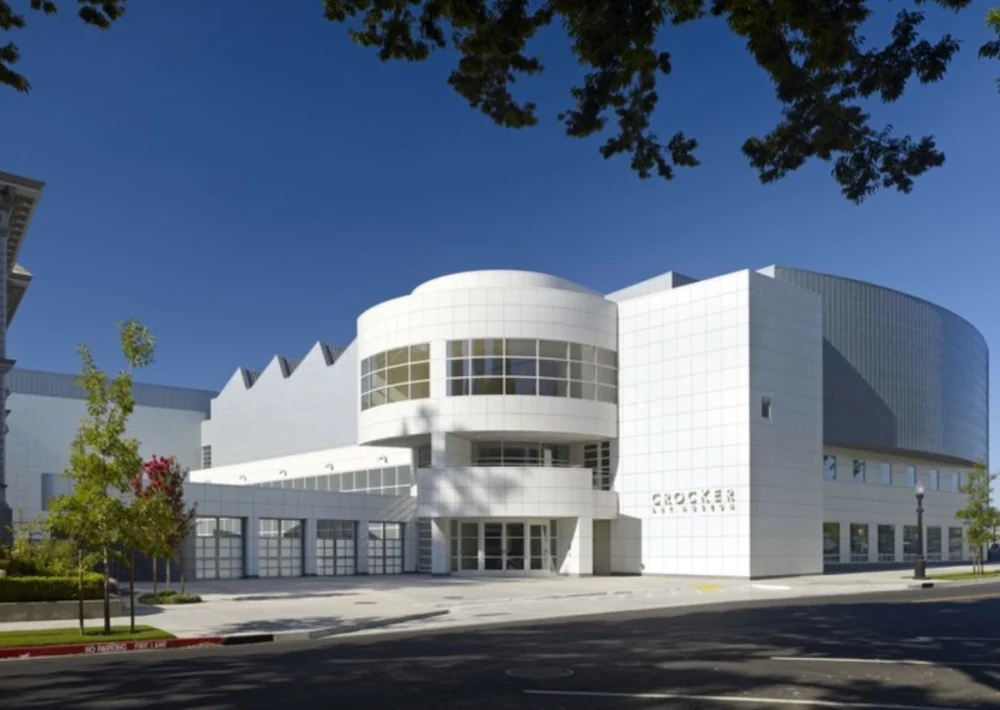
The Crocker Art Museum in Sacramento stands as a cultural cornerstone, offering a diverse collection that spans centuries and styles—from ancient artifacts to contemporary works. Its thoughtfully curated exhibits, including renowned displays like the Frida Kahlo retrospective, provide both depth and breadth for art enthusiasts. The museum’s welcoming atmosphere is further enhanced by attentive staff, comfortable seating, and family-friendly amenities, making it accessible for all ages.
A versatile venue, the Crocker also serves as an elegant backdrop for events, blending artistic beauty with practicality. Its on-site café and gift shop add to the experience, while special programs like family festivals ensure ongoing engagement. With a pay-as-you-wish policy on Sundays, the museum remains inclusive, inviting repeat visits to explore its ever-evolving offerings.

Absolutely incredible art museum in the heart of Sacramento. Went with my 3 children (11, 7, 5) and we all really enjoyed it. Plenty of seating to sit and gaze for a while, different styles of art to enjoy, and lots to learn. There was ample restrooms and water fountains so you dont need to bring anything in. There is also a cafe on the main floor. You can easily spend hours in here. Everyone who works here was incredibly helpful and knowledgable. Check out the gift shop before leaving, we picked up an amazing kids art book called 123 Art.

I had the pleasure of photographing a wedding at the Crocker Art Museum and had an incredible experience! Not only is the Crocker a quintessential part of Sacramento's history and skyline, but their team was simply amazing to work with. Josette's knowledge and expertise were so helpful for vendors and our couple, and the Crocker staff were true team players with all of the other vendors the entire day. The museum itself is a stunning backdrop for a wedding. It's rich in art and culture, timeless, romantic, and elegant. Truly, I can't sing enough praises about having your wedding here. I highly recommend it!

We love the Crocker Museum. We were there for 95 minutes and if not for our time constraints, we will be exploring and staying for 3 to 4 hours. An absolute gem for anyone to enjoy arts of all types and cultures.

It was definitely a cool experience! I had not been there in at least 15 years. There was so many different kinds of art to see, it was amazing! Some I liked, some I loved, and some not so much. I do think some of the exhibits were not child appropriate and maybe should have been in a more private area.

I attended as a chaperone as a field trip and didnt have near enough time to take it in. The building alone is stunning and there was so much to see. The docents were wonderful. And patient. Bonus treat was getting to see the traveling Frida Kahlo exhibit. Stunning. Can't wait to be back.

Pay as you wish Sunday. Museum is huge and has a little bit of everything. From 1st century artifact to renaissance, from neoclassical to modern art. We spent 3 hours here and didn’t finish touring the whole museum. Will come back.

We had such a wonderful time at the Family Festival! The kids enjoyed doing lots of crafts, seeing so many beautiful artworks, and watching the live theater performance. There were so many fun activities for children, and we made some great family memories. Thank you for creating such a fun and enjoyable event! ❤️🎨🎭✨
3. Los Angeles County Museum of Art
Tuesday: 11 AM – 6 PM
Wednesday: Closed
Thursday: 11 AM – 6 PM
Friday: 11 AM – 8 PM
Saturday: 10 AM – 7 PM
Sunday: 10 AM – 7 PM
The Los Angeles County Museum of Art (LACMA) stands as a premier cultural destination on Wilshire Boulevard, offering an expansive collection that spans diverse artistic movements. Its renovated architecture seamlessly blends modern design with historical charm, creating an immersive experience for visitors. The museum’s curated exhibitions, including iconic works like Monet’s Nymphéas, showcase both classical and contemporary masterpieces, while its spacious galleries ensure a comfortable exploration.
Adjacent to the La Brea Tar Pits, LACMA enhances its appeal with dynamic live performances and interactive exhibits, adding depth to its cultural offerings. The well-organized layout and thoughtful design make it an ideal spot for art enthusiasts, ensuring a refined visit without overcrowding. Whether admiring timeless artworks or engaging with innovative displays, the museum delivers a memorable and enriching experience.

LACMA was one of the highlights of my trip to LA. The museum is large, with a wide variety of art to explore. I especially loved the live performance. It was so creative and engaging that I ended up staying for almost an hour just for the show. The artists were incredibly talented. The nearby La Brea Tar Pits added a unique touch to the experience. I'm so glad I visited!

David Geffen Galleries at Los Angeles County Museum of Art (LACMA) were impressive. The building is massive and extends above Wilshire Boulevard. The art museum is located on Wilshire Boulevard in Los Angeles, near the La Brea Tar Pits. There are active digs next to the museum. It was nice to walk around and explore them. Impressionism at LACMA was outstanding as well. Particularly Nymphéas by Claude Monet was inspiring to see. Los Angeles County Museum of Art is a great place to visit in Los Angeles.

LACMA is definitely worth visiting! After the renovation, three buildings are now open, and there’s already so much to see. The museum features an impressive collection of famous artworks, and the galleries are spacious, clean, and well organized. Plan to spend at least a full day here if you want to enjoy everything at a relaxed pace. Even with plenty of visitors, it never felt too crowded or noisy, making it a wonderful place to appreciate the art. Highly recommended if you’re visiting Los Angeles!

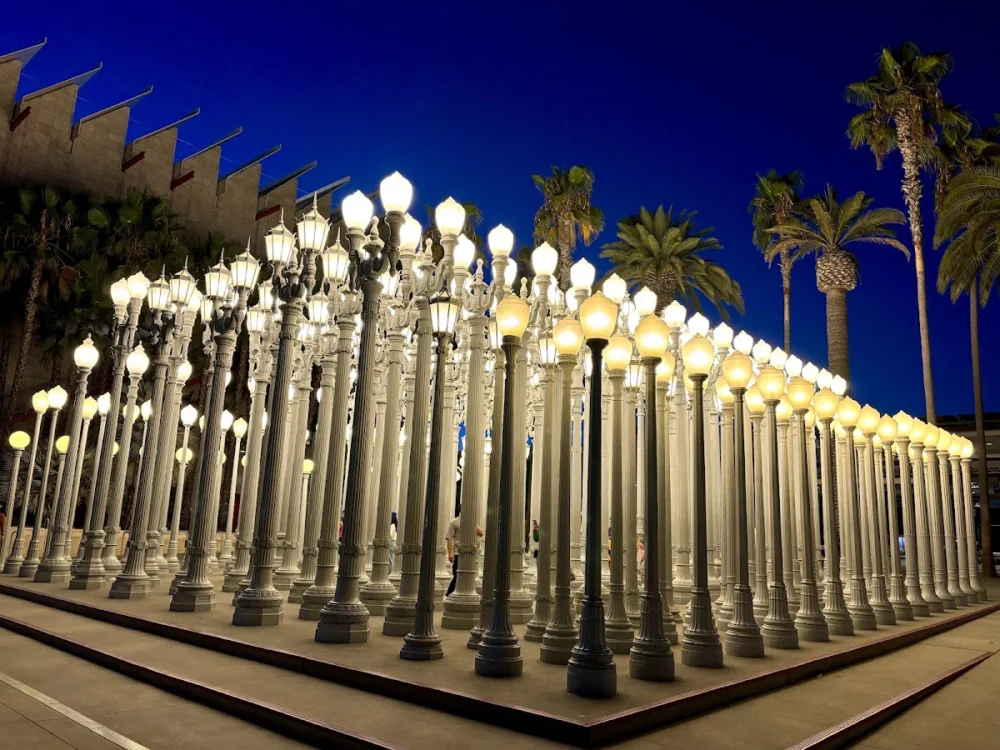
This museum is absolutely incredible and a total must-visit if you are in LA! The art collection here is massive and covers a bit of everything, so there's always something cool to see regardless of your taste. Of course, checking out the iconic "Urban Light" installation outside is a highlight and looks so beautiful, especially when the lamps are lit up in the evening. The whole campus has a really cool, open vibe and the staff were super helpful. Definitely budget a few hours to really take it all in. Highly recommend stopping by!

Went after work for about an hour on a Friday. LA county residents enter free after 3pm so make sure you have your ID on hand. The exhibit I was in wasn't too crowded so I could easily walk around and look at the art work. They also had live music outside where the lights are at. Got to see a lot of people with their picnic tables enjoying food and music which made the vibes even better.

This seems to be the first time I've reviewed LACMA. Surprising. I've been here before. Today's the opening day for the new wing. It's all on one level, about thirty feet above ground level. It's an open plan with exterior views nearly everywhere. You're going to find pictures of the exhibis with explanations on the web. I thought I'd be original by being the first to publish pictures of the exterior views. Turns out I met lots of people doing the same thing. Google Maps will let me publish only 50 pictures. This is a great addition to LACMA. You should visit. It's wheelchair accessible. There's street parking and a lot under the museum. We parked on the street so I don't know if the below ground parking lot is free or paid. LACMA is also reached by bus, and there's a new subway station across Wilshire Boulevard.

The new David Geffan Galleries are breathtaking and fascinating and wonderful all wrapped up into one very cool experience. The design is unlike any gallery/ museum we've ever encountered. One room after another leads to more and more art work. One thing then another catches your attention to move you through the single level experience. We were in a continuous state of awe as we meandered through for a full 3 hours and still feel like we could go back for more tomorrow. Kudos to the LACMA team. Well worth the wait!
4. Norton Simon Museum
Tuesday: Closed
Wednesday: Closed
Thursday: 12 PM – 5 PM
Friday: 12 PM – 7 PM
Saturday: 12 PM – 7 PM
Sunday: 12 PM – 5 PM
Norton Simon Museum
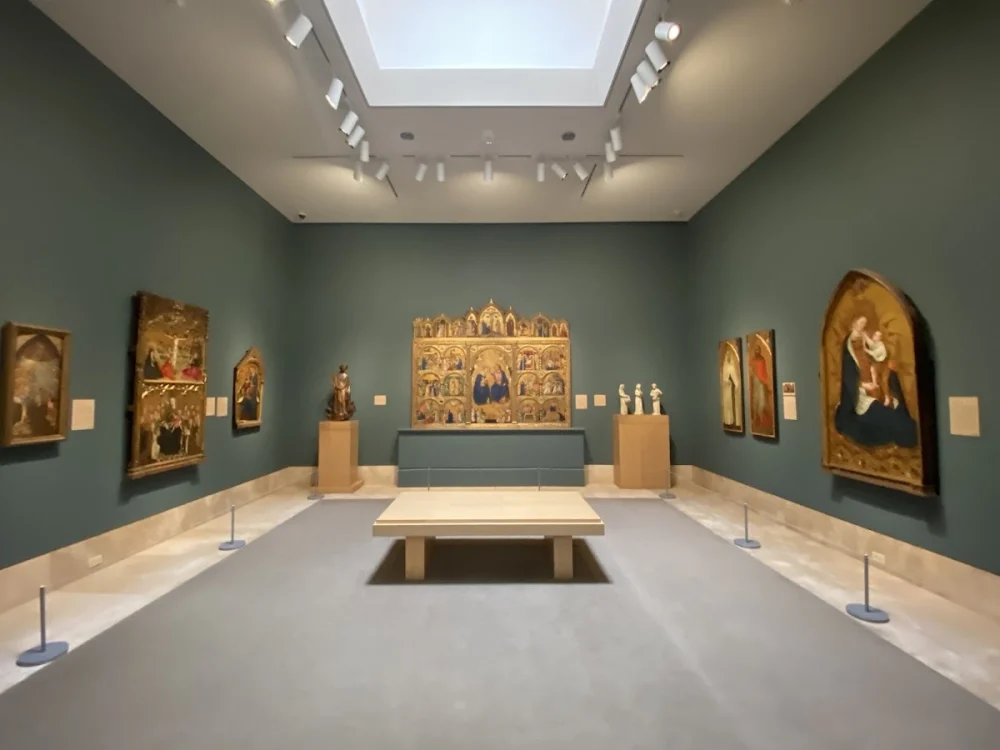
The Norton Simon Museum in Pasadena stands out for its refined collection of artworks spanning diverse eras and styles, featuring renowned pieces alongside hidden gems. The sculpture garden is a highlight, offering a serene outdoor experience with thoughtfully arranged installations. A welcoming café and gift shop enhance the visit, providing a relaxed atmosphere to complement the curated exhibits.
Compact yet immersive, the museum balances depth and accessibility, ensuring visitors can explore its highlights without feeling overwhelmed. The friendly staff and well-organized layout further elevate the experience, making it ideal for both casual art enthusiasts and seasoned collectors. A must-visit for its blend of culture, convenience, and charm.

An amazing collection of artworks – the sculpture garden is suburb. Beautiful garden Cafe and lovely giftshop. Just the right size – not overwhelming big but enough to keep you occupied for several hours.

I think this is one of my favorite museums here. I arrived the first time without any particular expectations, yet I was thoroughly impressed—and it was probably the first time I actually considered getting a membership. It’s an absolute must-visit; don’t miss it.

A smaller museum with just the amount of famous artwork and sculptures (from the artbooks) with Rodin's Thinker leading (?) you up the stairs. No need to get drained from going from room to room to room to room. Last visit was during the Memorial day wknd (Sat) at 4 so had to park on the street. No requirement to buy tickets online so bought at the ticket booth.

Excellent and varied collection. Many eras and genres represented. Lovely garden with sculptures and water features, small outdoor cafe. Helpful and friendly staff. Lots of restrooms. Easy to navigate halls and galleries. Many well-known artists on view, but also many to discover.

Beautiful collection, worth a visit. Get parking early, once they open ie 12 noon. And ticket available at the counter for 20 dollars if you are not a member or a student.

Norton Simon Museum had a 50th Anniversary of free attendance on the 1st weekend of November. They opened the newly garden area. Beautiful walking paths with lovely plants and statues abound. Their collection of paintings, statues from various countries & periods were worth the trip. A wonderful collection! Don't miss this wonderful museum in Pasadena.

One of my favorite art museums. They do have some free days. I just love that every piece here is quality.
5. The Walt Disney Family Museum
Tuesday: Closed
Wednesday: Closed
Thursday: 10 AM – 5:30 PM
Friday: 10 AM – 5:30 PM
Saturday: 10 AM – 5:30 PM
Sunday: 10 AM – 5:30 PM
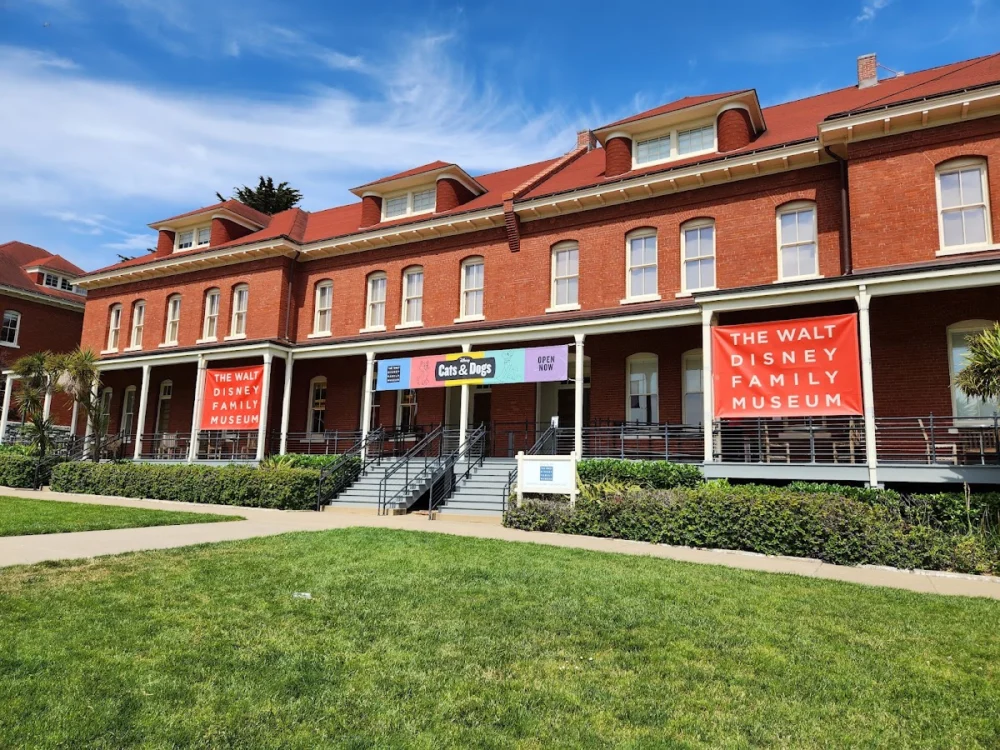
The Walt Disney Family Museum in San Francisco offers an immersive journey through the life and legacy of Walt Disney, blending art, history, and nostalgia across two floors. Visitors can explore personal photographs, early animation sketches, and rare memorabilia that trace Disney’s evolution from humble beginnings to iconic storytelling. The thoughtful exhibits, including audio guides featuring Walt’s own voice, provide deep insights into his creative process and the cultural impact of his work.
With a welcoming atmosphere, the museum also features a gift shop stocked with exclusive Disney-themed items, from apparel to signed collectibles, and a café for refreshments. The staff’s warmth and accessibility enhance the experience, making it ideal for both casual strollers and dedicated Disney enthusiasts. Located in the scenic Presidio, the museum pairs educational depth with a serene setting, ensuring a memorable visit for all.

Such a beautiful museum! This was the first date my husband and I went on 13 years ago on Valentine's Day! It's still amazing! The staff is incredible! Also, if you are military or a veteran you and your spouse gets in free! There were also food tricks across the street at the park! It was perfect! If you have time to spare, Google the Skywalker Ranch offices. It's about 4 minutes away in the Presidio. You can see the Yoda fountain and visit the gift shop for Lucas Studios. It's an amazing location.

If you're a Disney fan you'll love it here! This museum is packed with Disney history and fun visuals. You can make a quick or long trip of it depending on how much reading and strolling you'd like to do. The gift shop has some amazing items you cannot get anywhere else (apparel, pins, mugs, bags, etc.), as well as some collector's items like signed art books. John made my shopping experience absolutely wonderful and was very informative! They can ship items directly to your house so if you're traveling, you don't have to worry about lugging big books back home with you!

This place is full of history of Walt Disney and Disney Parks. I had such a great time walking around the gallery’s. They also have a cafe inside and a gift shop. Staff were kind and helpful and told about the gallery’s.

This museum provides the history of Walt disney. It contains a lot of personal photos as well as his early days of building Disney. It was interesting to see how his ideas progressed over the years. The museum covers 2 floors and is a wealth of information regarding early animation.

I went on a Friday morning just after they opened and spent 2 hrs there! I took my little girl and wore her in her carrier who just turned 1 the previous week – she fell asleep when we got past the Snow White section. We came to San Fran for a bday trip and stayed in the marina area on Lombard. We walked 10 min down the road to the presidio (which is where the museum is located) multiple times during our stay and really loved it! The museum outside and inside is very well put together and clean and beautiful! Bathrooms are super clean which was a nice reprieve from other restrooms in the city lol! Staff were everywhere and very accessible and kind happy people! Gift shop and snack stand at the end were wonderful and had some adorable items! They had a bonus exhibit downstairs specifically about Disneyland for the 70th birthday which I absolutely loved! Very easy to follow along, they had listening devices to hear Walt and others speak about different things, sketches, merch, pictures beyond pictures and they had SO MUCH INFO from the family members to the businesses to the cartoon industry to Walt’s life it was just amazing I actually cried twice just feeling the happiness and nostalgia! I have had a deep love for all things Disney and have been immersed in the stories my whole life because of my grandma ran "it’s a small world preschool" and was an avid Disney song listener and singer and my grandpa worked in Adventureland as a skipper and in the tiki room for years and would tell me stories about talking to Walt because the entrance he used was in Adventureland! I have wanted to go to this museum for YEARS so going through with my baby girl was just a dream!
6. San Francisco Museum of Modern Art
Tuesday: 10 AM – 5 PM
Wednesday: Closed
Thursday: 12 PM – 8 PM
Friday: 10 AM – 5 PM
Saturday: 10 AM – 5 PM
Sunday: 10 AM – 5 PM
San Francisco Museum of Modern Art – SFMOMA
San Francisco Museum of Modern Art (SFMOMA)
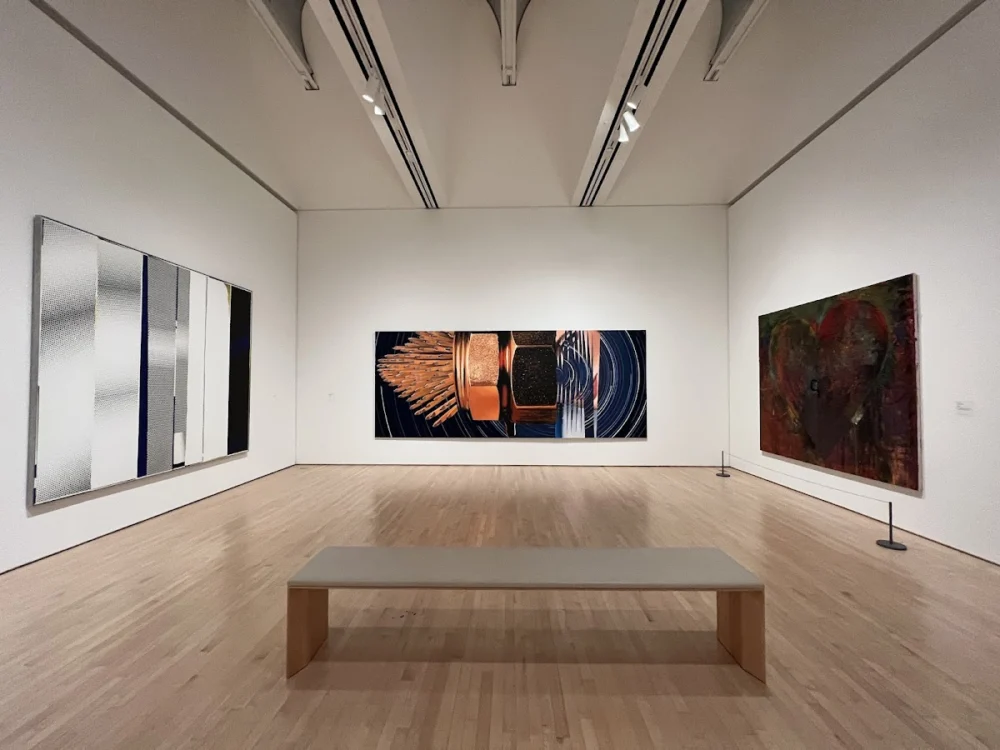
The San Francisco Museum of Modern Art (SFMOMA) stands as a premier destination for modern and contemporary art, housed in a striking architectural setting. Its curated collections span iconic works and immersive installations, offering a rich experience for art enthusiasts. The spacious galleries and thoughtful design ensure an engaging visit, while the presence of knowledgeable staff enhances the overall experience.
Visitors can also explore a diverse gift shop and a dedicated dining area, adding to the museum’s appeal. Whether drawn by a specific exhibition or the broader collection, SFMOMA provides a sophisticated and accessible environment for all. Its blend of educational depth and aesthetic appeal makes it a standout cultural landmark in San Francisco.

This was my first time ever at this particular art museum, and goodness, didn't make a great first impression!! My husband wanted to come check out the KAWS Exhibit, and I thought he knew more about him, but apparently he knew his artwork from Asia and didn't know he was from New York. Lol it was very inspirational and we had no idea we could explore the other floors of the our gallery once we got the tickets! Even though we've had a 2:30 PM showing for the KAWS exhibit, we ended up staying until 430 to check out the other floors! Perfectly to spend a Sunday afternoon!! There docents or art gallery carriers at each section in case you had questions, although I think they were there to make sure no one took anything. They also had their own separate specialty gift shop for the seasonal exhibit as well as a giant gift shop for the whole museum itself! We walked through both sections and the downstairs gift shop was amazing! It reminds me of that old store, learning express. Along with a lot of San Francisco Schottky apparel it was very interesting to see all the different artists and projects you could buy as well as different paraphernalia. The gift shop seemed normal prices for San Francisco. And there was somebody there to answer questions, if need be.

We absolutely loved Jacob Hashimoto: Giant Arc at SFMOMA. The installation is truly mesmerizing, with thousands of handmade kites creating an incredible immersive experience. The scale and detail are amazing, and walking underneath the artwork gives you a completely different perspective. A beautiful and unique exhibition that is definitely worth seeing while in San Francisco! @visit_sf

RM X SFMoMA on October 3, 2026!! 😳 ARMYs!! LESGOOOOOOOOO! 💜 I visited SF MoMA during a very short work trip to SF. Absolutely lovely museum and I could get a student ticket at 23 USD instead of the regular 30 USD (thank you very much!) The restaurant on the bottom floor is great too. I ordered a vegan quiche and it arrived pretty quickly and was yummy! The museum shop itself is a museum but I felt the prices are way too outrageous. 😭

first thing you gotta do is drop your bag off. i noticed comfortable looking chairs at the ground level. there's also two gift shops one main one and then one in the KAWS exhibit. we took the stairs up to the ticketing area. the price is very reasonable. this exhibit is very beautiful. i caught this exhibit just in time. it's so cool reading the little inspiration and history behind the art being made. KAWS has always been cool art and cool collectibles. very beautiful exhibit and you can really take the time to look at it all. bought a pink KAWS shirt here, i don't really care about the size. i did end up staining the shirt when i came back home to wash it. must've been transfer dye from my blue jeans or other clothes. managed to end up getting it out. anyway. this exhibit was very beautiful and hope people can enjoy it before it's over. appreciate the kind lady who said i don't look like an adult. would so go to SFMOMA again.

Incredible modern and contemporary art collection in a sleek beautiful building. Went with a baby and stroller and it was easy to navigate. The Matisse show was great but gets very crowded. FYI If you bring a backpack you’ll have to wear it on your front

An outstanding destination for modern and contemporary art lovers. The San Francisco Museum of Modern Art (SFMOMA) is truly world-class. The architecture alone is impressive, but what’s inside is even better—an incredible collection of modern and contemporary works that are both inspiring and thought-provoking. The galleries are spacious, beautifully curated, and easy to navigate, allowing you to fully enjoy each exhibit at your own pace. From iconic masterpieces to innovative installations, there’s something that captures your attention in every room. The museum also offers a calm and sophisticated atmosphere, perfect for spending a few hours immersed in art. Highly recommended for anyone visiting San Francisco—an enriching and unforgettable cultural experience.

My husband and I really enjoyed our visit to the San Francisco Museum of Modern Art! We happened to visit on our wedding anniversary, and it turned out to be Community Day, so admission was completely free—a very nice surprise and a memorable way to celebrate our anniversary! The museum itself is gorgeous, and we loved exploring the different floors and discovering how varied the exhibits were. There was a great mix of art and experiences, ranging from more classical works and photography to contemporary pieces and large-scale sculptures. The variety made the visit feel engaging and kept us excited to see what was around the next corner. One of the highlights for us was getting to experience Yayoi Kusama’s exhibit. With her recent passing, we feel especially fortunate that we had the opportunity to see her work in person beforehand. Her installation was such a memorable experience and definitely something that stood out during our visit. There was also an immersive sound exhibit that was a lot of fun and gave us a completely different way to experience art. I really appreciated that the museum wasn’t limited to simply looking at artwork on the walls—it incorporated installations and interactive experiences that made the visit more dynamic. SFMOMA also has a small café with a spacious outdoor patio, which is a great place to take a break and relax. There seemed to be plenty of seating to accommodate even busier days. Overall, we had a wonderful time at SFMOMA. Between the beautiful building, diverse exhibits, memorable installations, and the chance to experience Kusama’s work, it made for a fantastic anniversary outing. Definitely worth visiting if you enjoy modern and contemporary art!
7. Bowers Museum

Tuesday: 10 AM – 4 PM
Wednesday: 10 AM – 4 PM
Thursday: 10 AM – 4 PM
Friday: 10 AM – 4 PM
Saturday: 10 AM – 4 PM
Sunday: 10 AM – 4 PM
The Bowers Museum in Santa Ana stands out as a refined cultural destination, blending artistic diversity with engaging exhibits. Its mission-style architecture and well-curated collections—ranging from Chinese miniatures to African artifacts—offer an immersive experience for visitors of all ages. The museum balances permanent displays with rotating exhibits, ensuring fresh content and extended visits.
Complemented by a welcoming atmosphere and occasional free events, the museum also features a pleasant on-site restaurant. While parking can be limited during peak times, its family-friendly design and educational programs make it a standout in the region. Affordable admission and thoughtful event planning further enhance its appeal as a cultural hub.

This is a beautiful museum! My husband and I visited there for the second time on Saturday. I took a lot of pictures. I will share a few of them. The exhibits are beautiful. You can browse on your own or you can get a tour. The museum has a nice restaurant. Everyone is very friendly and helpful. The prices of admission are reasonable to enjoy a lovely day. The museum will have a quilt exhibit starting next week and I was told it will run throughout the summer. I definitely intend to return to see it.

Very nice facility and museum. Secure parking, gorgeous antique mission style building. Wonderful grounds for school events and functions. Smaller museum, but plenty to fill an entire afternoon. Rotating exhibits and some permanent works. Fine art american paintings to chinese miniatures and tapestries and presently, an African artifact exhibit. We enjoyed it with 4 generations of family. Highly recommended.

Small and clean museum that offers monthly free services for residents. I have been eager to try their singing bowls but something always comes up. We went for the Japanese cherry blossom festival this month of April and they has lots of performances and some tasty treats. Seating was limited but overall had a great time.

An excellent museum with both permanent and local conditions, focusing on cultures. Highlights include the Chinese, local Californian, and Polynesian permanent collections, with a mix of cultural artifacts and visual art, as well as a rotating set of collections that are often in collaboration with other museums. These exhibits tend to last a few months, and need separate tickets. The special exhibits are a bit cut off from the permanent collection physically, but the overall flow of the museum is nice. There are a variety of events hosted here, from the free cultural and family events during the main cultural holidays (including Chinese New Year), to specialized events for the exhibits themselves, such as board game nights. Sometimes, guest lecturers can provide greater insight into an exhibit with special lectures. Parking is available but does need to be paid for.

Recently went to see the Terracotta Warriors exhibit. Well curated and not too crowded. We went on a day where there was a separate festival in the courtyard. The permanent exhibits are also enjoyable. Parking can be tricky, especially on weekends where there are other activities going on; however, there were other additional overflow lots and street parking. Street parking may be free or metered and may be less than the on-site parking fees. Ate at the Tabata restaurant and the food was good. The hostess did a great job accommodating our large party as a walk-in request.

My family and I went here for the Terracotta Warrior exhibit. It was my first time at this beautiful museum. It's small but we spent about 2 hours exploring it. The Terracotta Warrior exhibit was excellent. We spent a lot of time there reading and talking to a very knowledgeable docent. After that we checked out the other exhibits in the museum. They were all great. I really like the Chinese and South Pacific artifacts as well. The exhibits on Pico were also very interesting.

Had not been here in a while, but came here back in July and loved all the exhibits. I was not able to see the Anime or Comic exhibit, but their main museum entry covers a lot of different art and styles. I loved all the Silver and Gold jewelry as well, so neat and beautiful. Came on a Sunday last summer, not a planned trip but it was on the way back home to San Diego so my friend and I decided to go there on my birthday. It was not busy at all, early afternoon and tickets were not expensive at all. Great little museum, definitely check it out if you have time.
8. Timken Museum of Art
Tuesday: Closed
Wednesday: 10 AM – 5 PM
Thursday: 10 AM – 5 PM
Friday: 10 AM – 5 PM
Saturday: 10 AM – 5 PM
Sunday: 10 AM – 5 PM
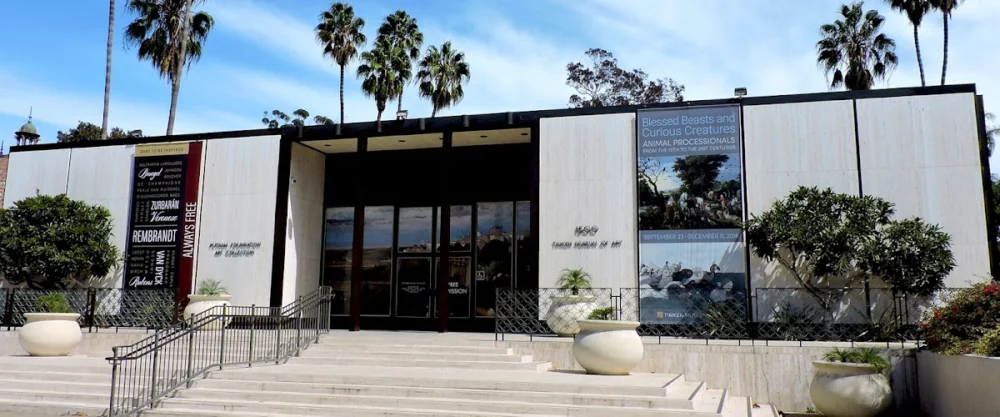
The Timken Museum of Art in San Diego’s Balboa Park offers a serene escape with its intimate yet impressive collection of classical artworks. The museum stands out for its free admission, welcoming atmosphere, and thoughtfully curated exhibits that span centuries of creativity. Ideal for those seeking a quiet, reflective experience away from larger crowds, it provides a peaceful setting to appreciate fine art.
Visitors often highlight the museum’s friendly staff and comfortable spaces, including cozy seating areas. While its size is modest, the collection’s depth and the tranquil environment create a meaningful experience. Perfect for both art lovers and casual explorers, it serves as a hidden cultural gem in Balboa Park.
The Timken Museum of Art is a hidden gem in Balboa Park. It’s small but filled with beautiful classic artworks and peaceful atmosphere. The staff are friendly, and admission is free, which makes it even better. Perfect place to enjoy art and quiet time away from the crowds.

Great free admission art museum. Favorite part when we went on Sunday was the live concert by local pianists which was awesome. Comfortable couches, not very crowded.

The Timken Museum of Art is a truly wonderful place to visit. Though intimate in size, it contains an impressive collection of artwork that reflects centuries of creativity, history, and human expression. The galleries are peaceful and beautifully arranged, allowing visitors to take their time and appreciate each piece. I especially enjoyed the quiet atmosphere, which made the experience feel personal and meaningful. Art has a unique way of connecting us to people and stories across generations, and this museum does that beautifully. Whether you are an art enthusiast or simply curious, I highly recommend visiting. It is a hidden gem in Balboa Park and well deserving of five stars.

Timken Museum of Art is a free admission art museum in Balboa Park. I was told about this hidden gem from a very sweet uber driver I met! It is small but mighty. The staff was really nice and it was a nice peaceful start to my Balboa Park visit. If you have a love for art and looking for a tree activity I would recommend.

A pretty good museum but it’s νeгγ small. Probably deserve 4 star but no.
9. The New Children’s Museum
Tuesday: Closed
Wednesday: 9 AM – 4 PM
Thursday: 9 AM – 4 PM
Friday: 9 AM – 4 PM
Saturday: Closed
Sunday: 9 AM – 4 PM
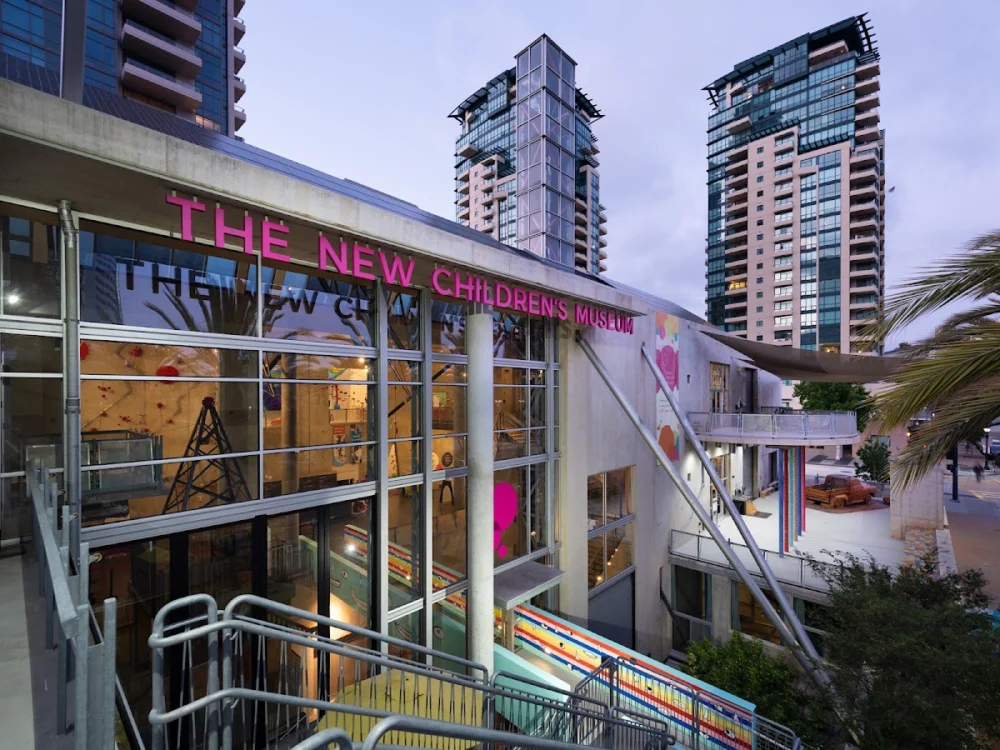
The New Children’s Museum in San Diego stands out as a creative and immersive space designed to spark young imaginations. Spread across three floors, it offers hands-on artistic experiences, from clay sculpting to interactive exhibits, ensuring engagement for children of all ages. The museum’s thoughtful layout and supportive staff foster an environment where kids can explore freely, while parents appreciate the screen-free zones and comfortable seating.
A highlight is the Artopia zone, featuring seasonal craft activities like gingerbread house building, alongside a café with family-friendly options. While parking can be tricky, advance online booking ensures a smoother entry. Weekdays tend to be less crowded, ideal for a more relaxed visit. Though some may prefer additional science-focused activities, the museum’s emphasis on artistic expression and playful learning makes it a standout destination.

We've been to children's museums in cities all over the world on our travels, and this is the best one we've experienced. It's well maintained, easy to navigate, and each area is creatively and thoughtfully designed. It's like a wonderland imparting feelings of whimsy and splendor that others could learn from. The staff is helpful, friendly, and visible. Unlike other children's museums, where the staff act more like security guards, the team here is all about helping the kids maximize their experience. My kids loved the art room and working with clay. I appreciated the nearly screen free environment and plentiful seating for tied parents. This is a must-visit for parents with young children.

We needed to find something to do before flying back home and decided to come here. I really didn’t expect my kids to enjoy it as much as they did as we were here for almost 5 hours. Usually after 2 hours they are ready to go but they kept going back to the clay molding or climbing on things. I would recommend going back but I think as they get older maybe 10-11 they won’t find it nearly as fun so anywhere from 2-9 is probably a good age range. Parking is a bit tough to find and apparently there is a parking lot down the alley dedicated to the building but I didn’t see any marked signs for parking so we parked a couple blocks away at the public lot.

Very big spaces and a variety of artistic visions. Every space is a hands on kind of room to explore and play for your child. Birthday party's can be held here as well in a private room in the lower floor. There is a café with plenty of options for everyone and very fun and kid friendly.

A great place where children can let their imagination soar and explore their artistic side. The museum has three floors with different activities for children of all ages. There's an outdoor area for making clay figures that you can take home. We visited the Artopia zone (accessible at certain times) where the children can draw and craft; that day they could make their own gingerbread house with lots of accessories and everything needed for the craft. All the walls in the museum have beautiful, positive messages!! On the ground floor, there's a slide that leads down to the next floor. There's also a Sprouts café, which has a healthy and fun variety of food for children and adults. I recommend buying tickets in advance on the website to be able to enter directly. I wish they had some science activities for children.

I really wanted to like this place, but it did not work for us. The space was very crowded and the air quality was poor. Cooling seemed to come from few portable units with a heavily dusty filter, and the rooms stayed warm, humid and stuffy. Air near the Air Conditioner is intolerable. Many of the art exhibits felt rough. The psychedelic theater is dark and visually intense, with no warning sign before you walk in. Sensitive kids may find it upsetting, so parents should know that ahead of time. We finished all three floors in about an hour. Not worth it.

My kids love this place, the staff is always friendly. We prefer weekdays when it's less crowded. Highly recommended it!

Great museum! My kids have fun for hours, one of our favorite places to go 🙂
10. Hammer Museum
Tuesday: 11 AM – 6 PM
Wednesday: 11 AM – 6 PM
Thursday: 11 AM – 6 PM
Friday: 11 AM – 6 PM
Saturday: 11 AM – 6 PM
Sunday: 11 AM – 6 PM
Hammer Museum Review
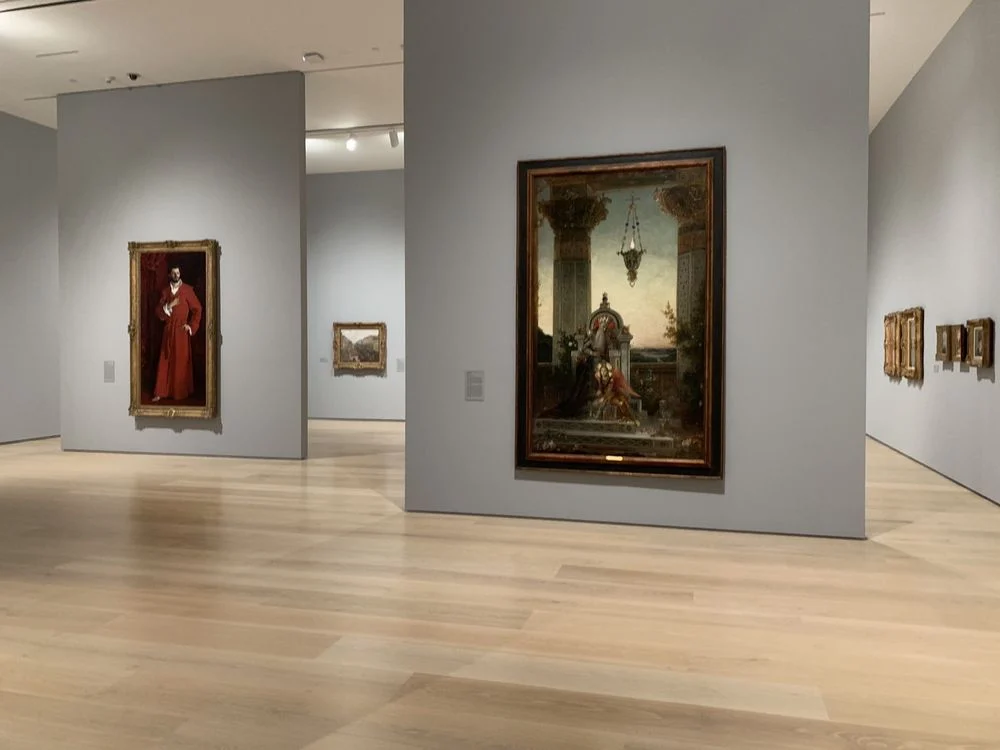
The Hammer Museum, a free-admission institution affiliated with UCLA, offers a serene and thoughtfully curated contemporary art experience in Los Angeles’ Brentwood neighborhood. Spanning three floors and an open courtyard, the museum blends modern architecture with diverse exhibitions, from avant-garde pieces to historical works like Rembrandt and Van Gogh. Its spacious, high-ceilinged design fosters a calm atmosphere, contrasting with the bustle of Wilshire Boulevard.
Visitors can explore rotating galleries, a gift shop featuring global art books, and an on-site restaurant, all while enjoying the museum’s seamless flow between indoor and outdoor spaces. The staff’s professionalism and the museum’s commitment to accessibility—combined with its intellectual depth—make it a standout destination for art enthusiasts and casual explorers alike.

Nice small museum. Free admission closes at 6pm. There is a restraunt inside and three floors of exhibits. Plenty of diversity in the artwork and very clean and organized. Staff were nice and helpful.

nice museum close to UCLA. The entrance is free. The shop has many cute options curated from all over the world. When I visited in March, there were only 3 exhibition spaces, but the quality is overall excellent.

A great museum, free too I might added in Brentwood neighborhood. It’s part of UCLA and on Wilshire Blvd & corner of Westwood Blvd to Glendon Ave (yup, a whole block). It’s very open space, bright and high ceiling reception area, and very modern too. You feel at easy and calm inside compared to hectic and noisy of cars & constructing going on right outside. Their exhibits spread into several different halls from main to 3 floors. You either take the elevator or stairs to go into the courtyard to get to the exhibit halls. The middle area of the museum is open sky with restaurants and gift shops and outdoor exhibit pieces. Very unique and interesting to observed. Currently,"Make in LA" is showing and quite both fascinating and complex, different then you would thought for sure (at least for me). They do have a collections room (founder), that have Rembrandt, Monet, Van Gough, Fantin-Latourand others arts. Such a nice, calm and unique museum.

Today I visited the Hammer Museum at UCLA, and I was genuinely impressed by how unique and thoughtful this place feels. The museum has a very calm, modern, and intellectual atmosphere, but at the same time it never feels cold or intimidating. It is the kind of museum where you can slow down, walk through the galleries, and really think about what you are seeing. What I liked most is that the Hammer Museum is not just about beautiful objects on the walls. It feels like a place for ideas. The exhibitions are carefully curated, often focusing on contemporary art, culture, society, and the way artists respond to the world around them. Some pieces make you stop immediately, while others stay in your mind after you leave. The connection with UCLA also gives the museum a special energy. It feels young, creative, and open-minded. The building itself is clean, spacious, and easy to explore, and the courtyard adds a peaceful break between the galleries. I also really appreciate that admission is free, which makes this kind of high-quality art experience accessible to everyone. The Hammer Museum is perfect for anyone who enjoys contemporary art, thoughtful exhibitions, and museums that make you feel something beyond just admiration. I left inspired, refreshed, and very glad I finally visited. This is definitely one of those Los Angeles museums that deserves more attention.

I had a VERY Cool LA experience at the HAMMER MUSEUM when I visited on a Thursday October 2025. It was LA vibes from the minute I walked past the restaurant Lulu, it was clearly busy and the clientele looked more sophisticated, hip and local and than any other art gallery cafe that I have experienced. And no wonder looking at the concept in its entirety I could appreciate the whole package (my Trade background is a Chef) I had a fantastic oat hot chocolate at the end of a very stimulating and unique gallery experience and enjoyed people watching through my Australian lense. I could’ve easily spent US$500 on books alone such an inspiring collection. I hate to pick my favourite exhibition but I do have a weak spot for Japanese wood block prints. The Hammer Museum has a fantastic blueprint I look forward to returning one day and schedule in lunch this time!

This an art gallery. Very nice staff and space overall. Entry is free and parking $8 with validation. 2 floors with different galleries that change, if your looking for an exhibit check the website before going. If you're really into art you will enjoy this , if you're not super into art you can skip this. Its free so if you're in the area check it out. I wouldn't suggest dealing with LA traffic to come here, again you really have to be into art. Not a typical musuem if that's what you looking 4.

If you’re short on time in LA, I would see the Getty museum and the LA county museum of art before this. There isn’t much in the way of a permanent collection, but I’ve got multiple temporary exhibitions going on and given a moment in time. I took a lot of representative photos. I did think the Japanese would block prints were pretty good, but most of the rest of it was not really that interesting to me. I hope that you find it very engaging though. The photos will give you a really good idea if it’s for you or not.
How to find your ideal art gallery at the best price in California?
Request help now to find the best price:
- Fill in the details and tell us what you're looking for
- We locate the best art gallery in California near you
- The company contacts you
- Who receives your request: the featured businesses in this listing that have their own contact email (a few at most, taking turns). If there are none, it goes to the owner of this website.
- What for: so they can reply with a quote. Once it receives your request, each business handles your data on its own account to reply to you.
- Legal basis: your consent, which you give by ticking the box and can withdraw at any time by writing to the owner of this website.
- How long it is kept: 1 year on this website; after that it is deleted.
Catalog of services offered by art galleries in California
Art Sales and Representation
Art galleries in California primarily focus on art sales and representation of artists. They facilitate the buying and selling of artwork, building relationships between artists and collectors, and managing the entire transaction process from initial contact to final sale. This involves meticulous documentation and adherence to all relevant regulations.
Artist Management
A significant component of a gallery’s role is artist management. This includes negotiating contracts with artists, handling their finances, coordinating exhibitions, and providing ongoing support to help them develop their careers. They often act as a trusted advisor and advocate for the artist’s work.
Exhibition Curation and Installation
The curation of exhibitions is a core service offered by many California art galleries. This involves selecting artworks for display, developing a cohesive narrative for the exhibition, and overseeing the installation process, ensuring the artwork is presented in the best possible light and context. Attention to detail and artistic vision are key.
Artwork Authentication and Provenance Research
Determining the authenticity of artwork and researching its provenance (history of ownership) is a specialized service provided by some galleries. This involves examining the artwork’s materials, comparing it to known works by the artist, and tracing its ownership history to verify its legitimacy and value.
Art Advisory Services
Certain galleries offer art advisory services, providing clients with guidance on art investment, collection management, and strategic acquisitions. This includes assessing market trends, researching artists and artworks, and advising clients on purchasing decisions based on their individual interests and financial goals. A deep understanding of the art market is essential.
Artwork Storage and Conservation
Maintaining the artwork's condition is critical. Galleries sometimes facilitate the storage and conservation of artworks, working with specialist art handlers and conservators to ensure the artwork is protected from damage and deterioration. This might involve climate control, secure storage facilities, and preventative maintenance.
Marketing and Promotion of Artists and Exhibitions
Marketing and promotion are vital for attracting collectors and raising awareness of artists. Galleries utilize various channels, including online platforms, social media, print materials, and press releases, to showcase artists' work and promote upcoming exhibitions, reaching a wider audience and increasing visibility.
Artist Development Programs
Some galleries engage in artist development programs, offering artists opportunities to showcase their work, receive mentorship, and build their professional networks. This support can be crucial for emerging artists seeking to establish their careers and gain recognition within the art community. Long-term investment in artist growth is a key strategy.
Frequently asked questions about art galleries in California
What types of art are typically displayed in California art galleries?
California art galleries showcase a remarkably diverse range of artistic mediums and styles. You'll frequently find contemporary paintings, often exploring themes of California landscapes, urban life, and social commentary. However, the landscape extends significantly, encompassing sculpture – ranging from bronze to mixed media – photography, printmaking, and increasingly, digital art. Many galleries also represent artists working with traditional materials like ceramics and glass, while others champion emerging artists experimenting with unconventional techniques and materials.
How do art galleries in California choose which artists to represent?
The selection process for artists at a California art gallery is often a complex and discerning one. Galleries typically look for artists with a strong unique vision, demonstrating technical skill, and exhibiting a consistent body of work. Reputation within the art community, demonstrated through exhibitions and awards, plays a significant role. Furthermore, the gallery’s curatorial focus – the specific aesthetic or thematic direction – heavily influences artist selection, ensuring a cohesive and compelling gallery presentation. Often, a gallery will scout artists through art school connections and regional artist associations
What is the role of the gallery owner or director?
The gallery owner or director serves as the central figure in managing a California art gallery. Their responsibilities encompass a broad range of tasks, including artist representation, exhibition planning, marketing and sales, and financial management. They are essentially the gatekeeper, carefully selecting artists, curating exhibitions that resonate with their gallery’s brand, and cultivating relationships with collectors and the art market. A key element is understanding current art trends and anticipating collector tastes.
How do art galleries typically operate financially?
The financial operations of a California art gallery can be quite nuanced. Galleries generate revenue primarily through sales of artwork, often earning a commission – typically 40-50% – on each sale. They may also receive income from exhibition fees, artist royalties, and grants. Maintaining a healthy cash flow is crucial, requiring careful budgeting, strategic investment in marketing, and diligent tracking of expenses. Some galleries also offer artist residencies, generating income through rental fees.
What are the different types of art galleries in California?
California boasts a diverse array of art galleries, each with its own specialization and approach. You’ll find commercial galleries focused on selling artwork to collectors, non-profit galleries supporting emerging artists, and artist-run galleries providing a platform for self-represented artists. Pop-up galleries offer temporary exhibitions, while co-operative galleries are owned and operated by a group of artists. The distinctions are often blurred, with many galleries adopting a hybrid model.
How do art galleries contribute to the local art scene?
California art galleries play a vital role in shaping and supporting the local art scene. They provide a platform for artists to showcase their work, build their reputations, and connect with collectors. Galleries often host artist talks, studio tours, and community events, fostering a sense of artistic community. They contribute to the cultural fabric of the state, driving innovation and promoting artistic expression.
What are the typical opening hours of art galleries in California?
Opening hours for art galleries in California can vary depending on the gallery's location and operating style. Many galleries operate on a weekday schedule, typically opening from 11:00 AM to 5:00 PM, with some staying open until 7:00 PM or later on certain evenings. Weekend hours are more limited, with many galleries closed on Sundays and may only be open for a few hours on Saturdays. It’s always best to check the gallery’s website or social media for the most up-to-date information.
How can I contact an art gallery in California?
Contacting a California art gallery is relatively straightforward. Most galleries have a website where you can find contact information, including phone number, email address, and physical address. You can also typically find social media links (e.g., Instagram, Facebook) for direct communication. Many galleries respond promptly to inquiries, offering tour appointments or providing information about their artists and exhibitions.
What is the role of art fairs and festivals in supporting California art galleries?
Art fairs and festivals offer a crucial opportunity for California art galleries to expand their reach and connect with a wider audience. These events provide a temporary showcase for gallery artists and their work, attracting collectors and art enthusiasts from across the state and beyond. Participating in art fairs can significantly boost a gallery’s visibility and sales, and often lead to new artist acquisitions. Many galleries also participate in regional art festivals.
How do galleries use technology to promote their artists?
Today, California art galleries leverage a range of technological tools to promote their artists and exhibitions. This includes maintaining an active online presence through websites and social media platforms (Instagram, Facebook, etc.) where they regularly share images and information about their artists and exhibitions. Email marketing is also common, and many galleries utilize online sales platforms to facilitate remote transactions. Digital catalogs and virtual tours are increasingly utilized to extend the reach of their artists.